
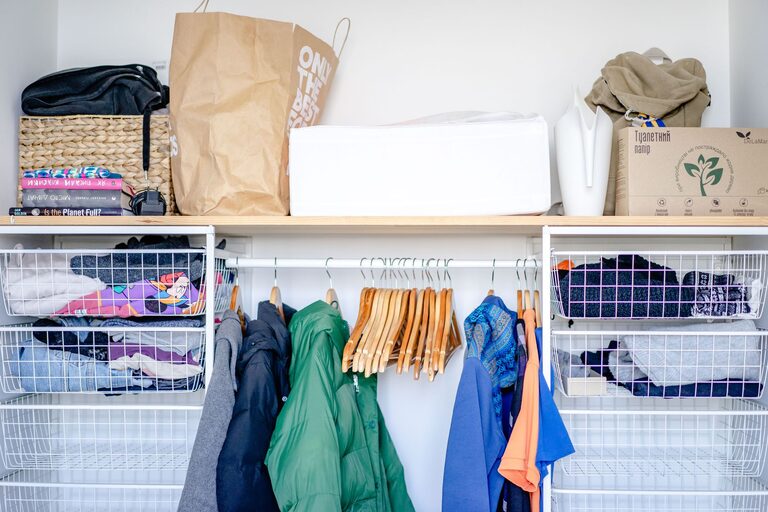
How to Store Seasonal Clothes Efficiently for a Clutter-Free Home
Storing seasonal clothes efficiently is a great way to keep your home organized and your wardrobe fresh. Whether you’re packing away winter coats or summer dresses, having a system in place can save space, protect your garments, and make changing your wardrobe a breeze.
In this guide, we’ll explore practical tips and storage solutions to help you manage your seasonal clothes without stress. From choosing the right containers to preparing your clothes for storage, these steps will keep your closet neat and your clothes ready for the next season.
Why Efficient Seasonal Clothes Storage Matters
Storing off-season clothes properly prevents damage from dust, moisture, and pests. It also maximizes your closet space, reducing clutter and making it easier to find what you need when the seasons change. Efficient storage can even extend the lifespan of your garments by keeping them in good condition.
Preparing Your Clothes for Storage
Before packing your seasonal items away, it’s important to prepare them properly.
1. Clean Everything Thoroughly
Always wash or dry clean clothes before storing. Dirt, sweat, and stains can attract pests or cause fabric damage over time. Make sure clothes are completely dry to avoid mold and mildew.
2. Repair Any Damage
Check for loose buttons, broken zippers, or small tears. Fixing these issues before storage prevents them from worsening and keeps your clothes ready to wear when you take them out.
3. Sort and Declutter
Use this opportunity to sort your clothes. Donate or recycle items you no longer wear. A smaller wardrobe means less storage space and a more manageable collection.
Choosing the Right Storage Solutions
The containers you use can make all the difference in keeping your clothes in good shape.
1. Use Breathable Storage Options
Avoid plastic bags that trap moisture. Instead, opt for breathable cotton storage bags, fabric bins, or canvas containers. These allow air circulation while protecting clothes from dust.
2. Consider Vacuum-Sealed Bags for Space Savings
If space is tight, vacuum-sealed bags compress bulky items like sweaters or blankets. Make sure clothes are clean and dry before sealing to prevent damage.
3. Use Clear Bins for Easy Identification
Transparent plastic bins help you see what’s inside without opening them. Just be sure they have tight-fitting lids to keep out dust and pests.
4. Label Everything
Label each container clearly with its contents. This simple step saves time when retrieving specific items.
Best Storage Practices by Clothing Type
Different materials and clothing styles benefit from specific storage methods.
1. Hanging Clothes
Delicate items like dresses, suits, and coats should be hung on sturdy, padded hangers. Cover them with breathable garment bags for protection.
2. Folded Clothes
Sweaters, jeans, and t-shirts are best folded to prevent stretching. Stack them neatly in bins or on shelves.
3. Shoes and Accessories
Store shoes in clear boxes or shoe organizers to avoid dust and damage. Use small bins or pouches for accessories like scarves and hats.
Optimize Your Storage Space
Maximizing your available space can make seasonal storage easier and more effective.
1. Utilize Under-Bed Storage
Flat storage containers designed for under the bed can hold off-season clothes while keeping them out of sight.
2. Use Top Shelves and High Closets
Store less frequently used items on higher shelves or closet spaces.
3. Incorporate Multi-Purpose Furniture
Furniture like ottomans or benches with built-in storage are excellent for storing seasonal clothes in living areas or bedrooms.
Tips to Maintain Your Seasonal Clothes While Stored
Even when packed away, your clothes need care and attention.
– Place cedar blocks or lavender sachets in storage containers to deter moths and keep clothes smelling fresh.
– Air out stored clothes every few months to prevent odors and moisture buildup.
– Keep storage areas clean, dry, and well-ventilated.
When to Rotate Your Wardrobe
A good rule of thumb is to rotate your clothes twice a year, typically at the start and end of the main seasons (spring and fall). This keeps your wardrobe relevant and eliminates clutter.
—
By following these tips, storing your seasonal clothes will be straightforward and effective. An organized storage system reduces stress, saves space, and keeps your clothes in great condition so you can enjoy them year after year. Happy organizing!
