
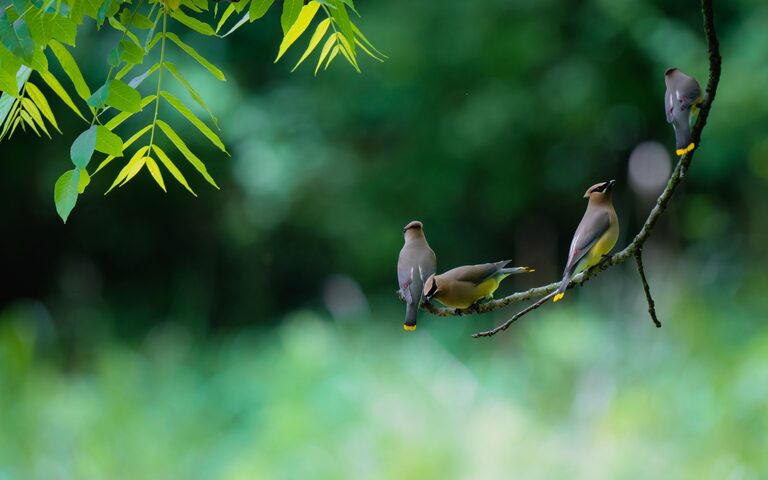
Beginner Tips for Backyard Birdwatching: Getting Started Easily
Birdwatching is a wonderful way to connect with nature without leaving your own backyard. Whether you live in the city or the countryside, watching birds can be a relaxing and rewarding hobby. If you’re new to birdwatching, these beginner tips will help you get started, attract a variety of birds, and enjoy your outdoor space more fully.
Why Backyard Birdwatching?
Birdwatching doesn’t require a lot of special equipment or travel, making it accessible to many. It’s a quiet activity that encourages mindfulness and appreciation for wildlife. Plus, it can be educational and fun for all ages, from children to seniors. Observing birds up close allows you to notice their colors, behaviors, and calls, enhancing your understanding of the natural world.
Getting Started: What You’ll Need
1. Binoculars
A good pair of binoculars is helpful for seeing birds clearly without disturbing them. They don’t need to be expensive; entry-level binoculars designed for birdwatching work well. Look for binoculars with a magnification of 8x to 10x and a comfortable grip.
2. Field Guide or Bird Identification App
To identify the birds you see, use a field guide book or a smartphone app. Apps can be especially useful because they often include bird calls, photos, and tips tailored to your region.
3. Notebook or Bird Journal
Keeping a simple journal to record the types of birds you spot, the date, and interesting behaviors can be very satisfying. Over time, this journal becomes a personalized record of your birdwatching journey.
Creating a Bird-Friendly Backyard
Attracting birds to your yard is easier when you provide food, water, and shelter. Here are some basic steps:
1. Offer the Right Food
– Seed Mixes: Black oil sunflower seeds attract many species and are easy for birds to eat.
– Suet: Great for woodpeckers and insect-eating birds.
– Fruit: Some birds enjoy berries or chopped apples.
– Avoid using bread or processed foods, as these can be harmful.
2. Provide Fresh Water
A birdbath or shallow dish with clean water invites birds to drink and bathe. Change the water regularly to keep it fresh and prevent mosquitoes.
3. Create Shelter and Nesting Spots
– Plant native shrubs, trees, and flowers that provide cover and food.
– Install birdhouses appropriate for local species.
– Leave some natural debris like leaves or small logs for ground-dwelling birds.
Tips for Successful Birdwatching
1. Be Patient and Quiet
Birds can be wary of movement and noise. Find a comfortable spot where you can sit quietly and observe. Early morning or late afternoon are often the best times for bird activity.
2. Use a Consistent Feeding Spot
Place feeders in a visible location and keep them stocked regularly. Birds will learn to trust the area and visit more often.
3. Learn Bird Calls and Songs
Listening for bird calls helps you locate birds that may be hidden in foliage. Apps can assist with learning common calls in your area.
4. Avoid Using Flash Photography
If you want to take photos, avoid using flash as it may startle birds. Use natural light and steady your camera or phone to capture clear images.
Recording and Sharing Your Experience
Join local birdwatching groups or online communities where you can share your observations and learn from others. Many websites allow you to submit sightings to help with bird conservation efforts.
Safety and Respect for Wildlife
Always observe birds from a distance without disturbing them. Avoid touching nests or handling birds. Keeping your feeding stations clean prevents the spread of disease.
Final Thoughts
Backyard birdwatching is a simple and enjoyable way to bring nature closer to home. With a little preparation and patience, you’ll soon be able to identify different species and enjoy watching their behaviors. So grab your binoculars, set up a feeder, and discover the fascinating world of birds right outside your door. Happy birdwatching!
